Style
What is iced-out jewelry? Origins, levels of coverage and how to spot fine work
From the gold ropes of 1980s hip-hop to today’s tennis chains: what iced-out means, the levels of stone coverage and six things that make a piece good.
Some jewelry is made to finish an outfit. And some is made so the whole room looks its way. Iced-out belongs to the second kind: surfaces covered in gemstones, catching light from every angle, needing no introduction. This guide explains where the style comes from, what levels it comes in, and how to tell a well-made piece from one that only sparkles in photos.
What does iced-out mean?
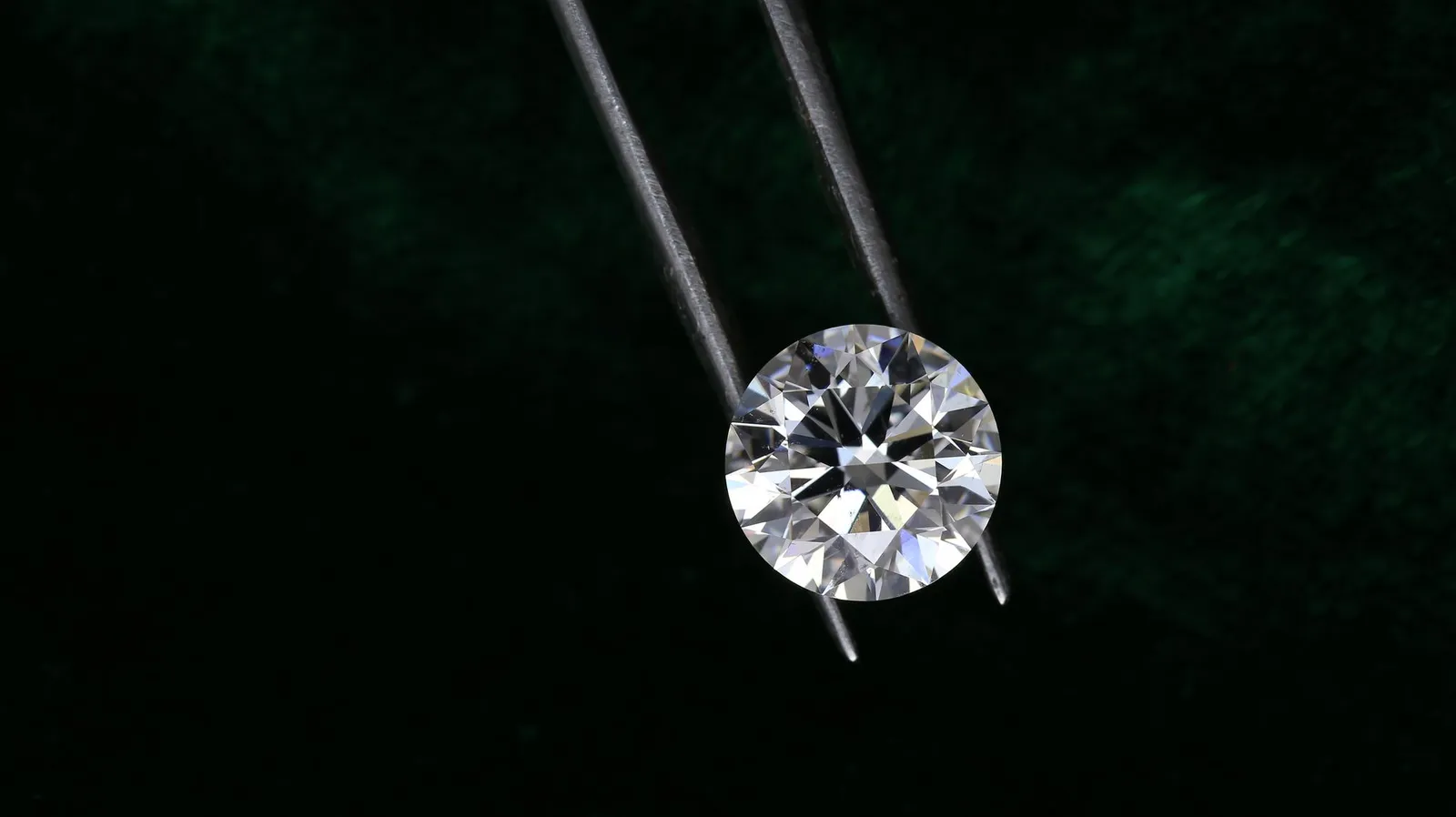
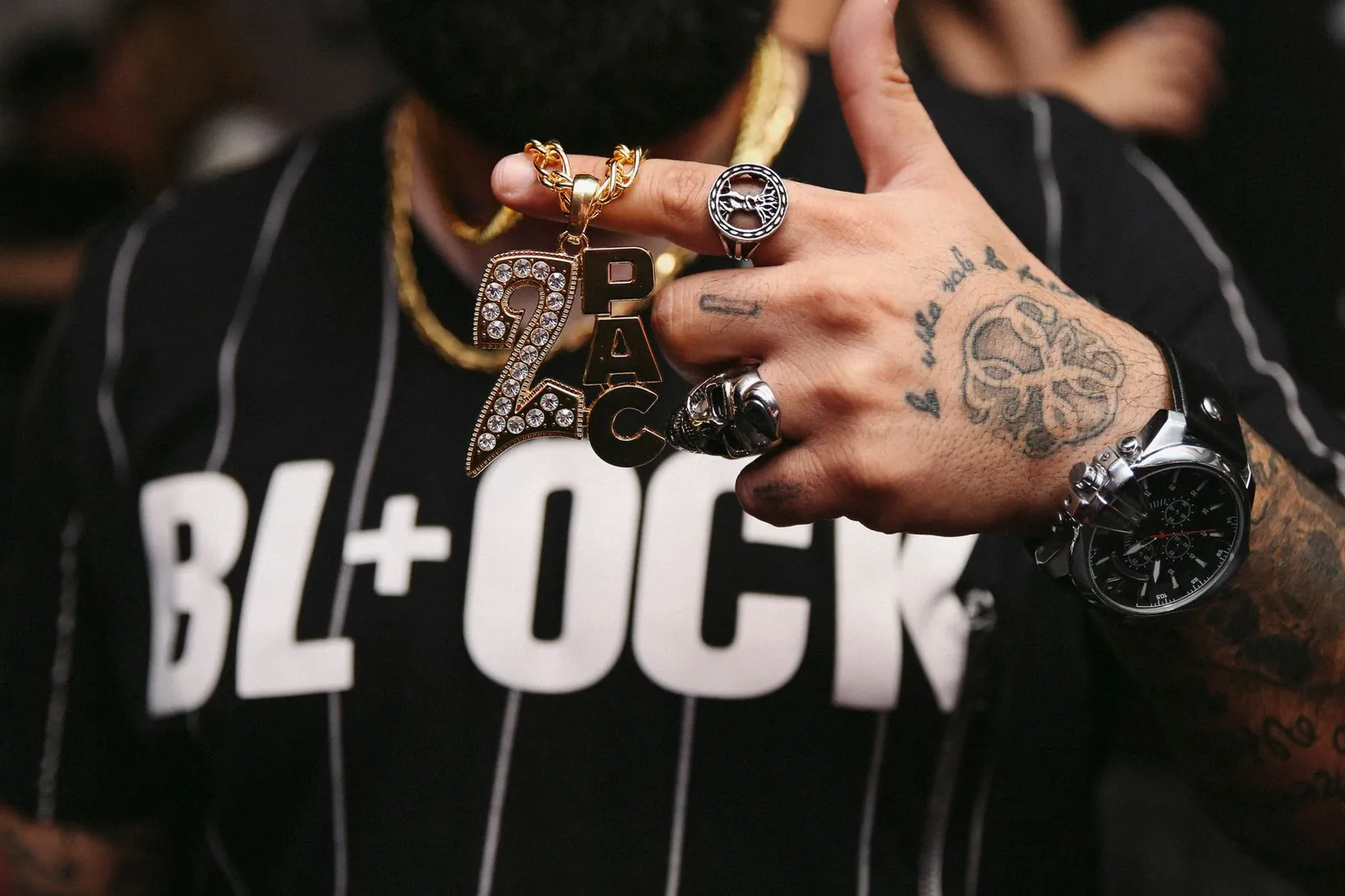
In American slang, “ice” means diamonds — clear, cold and bright. Iced-out describes jewelry set so densely with stones that the metal surface all but disappears: chains, pendants, rings, bracelets, watches.
A related word is bling, which imitates the “sound” of light flashing off a stone. It became common enough to enter the Oxford English Dictionary in 2003.
Where the style comes from
Iced-out grew up with American hip-hop.
- The 1980s: gold was the main language. The thick gold rope chains, oversized pendants and multi-finger rings of Run-DMC and Eric B. & Rakim became the image of a generation of artists who started with nothing.
- The 1990s: diamonds arrived. Pendants, watches and grills began to be covered in stones; “ice” became a familiar word in lyrics.
- 1999: the track “Bling Bling” by rapper B.G. took the word mainstream.
- The 2000s to today: the style spread to sport, fashion and around the world. The Cuban link chain — which appeared in Miami in the 1970s — and the tennis chain became classics.
One thread runs through it all: jewelry as a way to make achievement visible. People wear what they have earned.
Four levels of coverage
Not every piece with stones is iced-out. Think of four levels:
- Accent: stones in a few places — a center stone, a row on the shoulders of a ring. Gold is still the lead.
- Partial: stones cover the front or top, the rest is plain gold. A balance of sparkle and material.
- Fully iced: every visible surface is stone, with metal reduced to a fine outline. This is the original meaning of iced-out.
- Iced on every side: edges, bail, clasp, even the inside are set. The highest level of coverage, and the most demanding of skill.
The iced-out classics
- Tennis chain: one row of same-size stones linked all the way around the neck. Neat, evenly bright, easy to wear.
- Iced Cuban chain: flat, wide links, each fully covered. The piece with the most weight, literally.
- Pendants: initials, names, symbols, shapes — where personality shows most clearly.
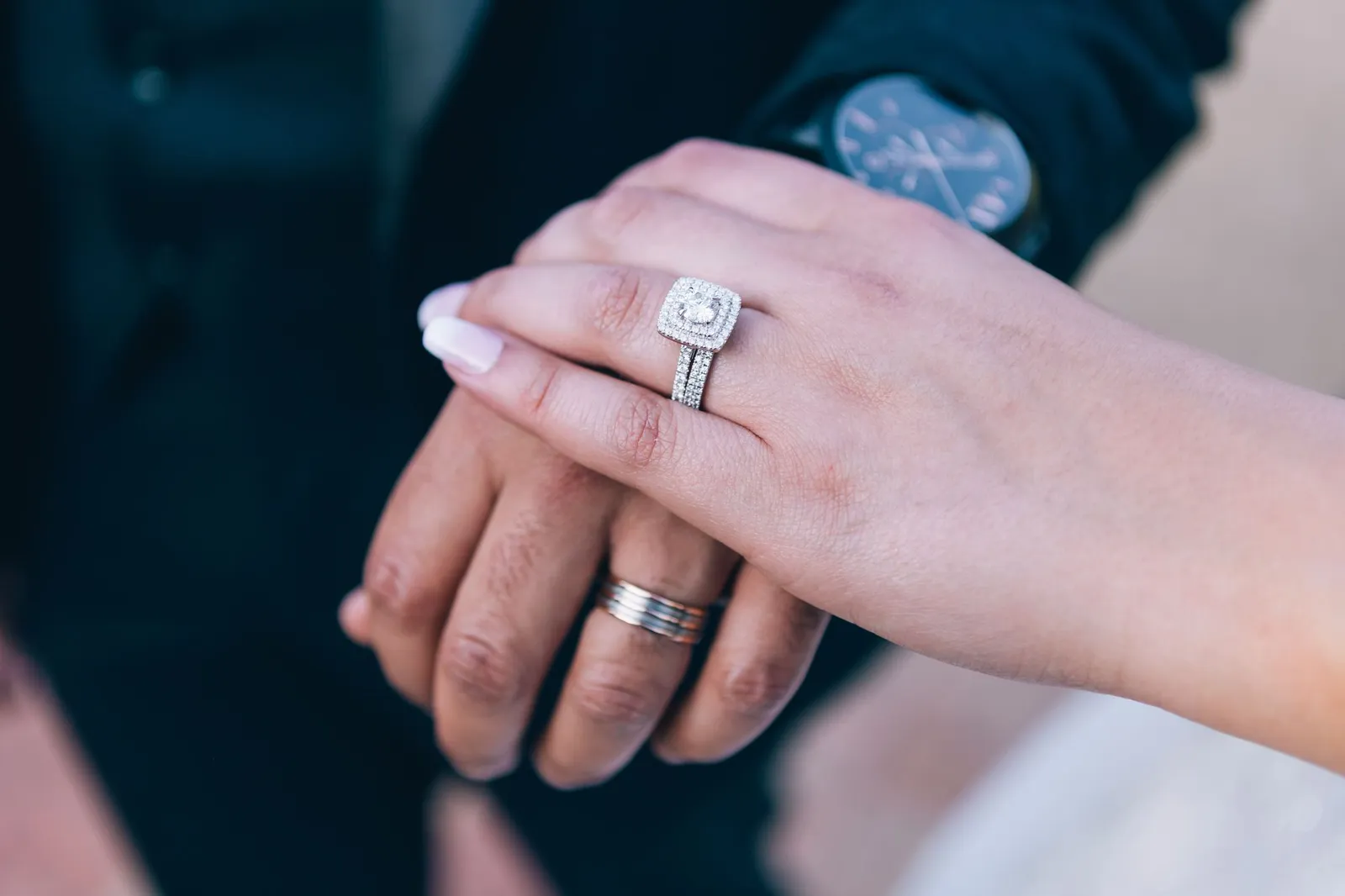
- Bold men’s rings: a center stone on stone-covered shoulders, often mixing round and baguette cuts.
- Tennis bracelet: the wrist version of the tennis chain, often worn with a watch.
- Earrings: a single large stone or a fully covered cluster.
Six things that make an iced-out piece good
In photos, everything sparkles. The difference shows in the hand.
- Matched stones. Same size, same color, same cut quality. One off-color stone among hundreds shows immediately under a lamp.
- A surface as flat as a single sheet. Tilt the piece under light: it should reflect as one, not flicker at random.
- Small, round, even beads. Run a finger or a piece of fine fabric over the surface and nothing presses or catches.
- Enough gold underneath. Stones only last when the gold holding them is strong enough. A piece that feels too light for its size points to thin metal.
- Crisp form. Straight edges are straight, curves are even; the stones run right to the edge without spilling over.
- Clear specifications. Karat, gold weight, gemstone type, stone size and stone count are all on record.
Each setting technique is explained in Gemstone settings.
Which gemstone for iced-out?
- Moissanite has more than twice the dispersion of diamond, throwing many flashes of color — an effect that multiplies when stones are set densely. Its cost also allows large forms to be fully covered. That is why Moissanite is the most popular choice for iced-out.
- Lab Diamond gives the crisp white light of a real diamond at a more accessible budget than natural diamond.
- Natural diamond is for pieces that should carry the added element of rarity.
A note on “VVS”, the term heard in so many lyrics: it is a very high clarity grade for diamonds. In small accent stones, the eye cannot tell VVS from VS; what you can see is how well the stones match in color and cut. The three gemstones are compared in Moissanite, Lab Diamond or natural diamond?
Which gold color?
- White gold: the metal almost vanishes behind the stones, giving one unbroken field of white light.
- Yellow gold: clear contrast between gold and stone, putting the material forward — the hip-hop classic.
- Rose gold: warm, distinctive, flattering on many skin tones.
On karat, fully paved designs benefit from a harder alloy, because tiny beads wear more slowly. See 10K, 14K or 18K: how to choose your gold karat.
Wearing iced-out with taste
The question is not “is it too much”, but how to make a piece stand out and still show taste.
- Let one piece lead. A heavy chain or a large pendant at the center; everything else a step behind.
- Layer on purpose. Two or three chains of different lengths, about 5 cm apart, in different widths.
- Keep one metal color, or mix two clearly and deliberately.
- Let the clothes be the backdrop. Plain fabric in dark tones or white gives the stones room to shine.
- Match your build. Chain width and pendant size in proportion to neck, shoulders and chest.
Keeping the shine over the years
Hundreds of stones mean hundreds of contact points. An iced-out piece needs two regular habits: cleaning, so that oil does not film over the stones, and periodic prong checks. The routine is in Caring for gold jewelry set with gemstones.
Three common misconceptions
“Iced-out is just showing off”
Discreet is not automatically refined, and bold is not automatically showy. A well-made iced-out piece in real materials, worn well, is a clear aesthetic choice.
“More stones means more value”
A piece’s value is the sum of three things: the amount of gold, the type and quality of the stones, and the craftsmanship. A piece fully covered in stones over thin gold is not worth more than one with fewer stones over solid gold.
“Iced-out in Moissanite isn’t real”
Moissanite is a gemstone with its own name and specifications. Real gold set with Moissanite is the real thing — as long as the gemstone is stated correctly.
At T Gold
T Gold crafts iced-out jewelry in 10K, 14K and 18K gold with Moissanite, Lab Diamond and natural diamond, with karat, gold weight and gemstone specifications stated for every piece. Start from the ready-made collection, or go Custom for a design that carries your own signature — denser stones, a different form, your initial or your symbol.